Orthopedic Specialists in San Diego, Carlsbad, Coronado, CA
Orthopedic hardware removal is a relatively common and generally safe procedure employed to relieve pain or resolve complications related to retained metal implants. The decision to remove hardware is individualized and should be discussed thoroughly with an orthopedic surgeon. Ortho 1 provides advanced orthopaedic care in San Diego, Carlsbad, Coronado, CA, combining expert surgical skill with the latest technology. Ortho 1 also delivers personalized care throughout your recovery. Contact Ortho 1’s office to schedule an appointment today!
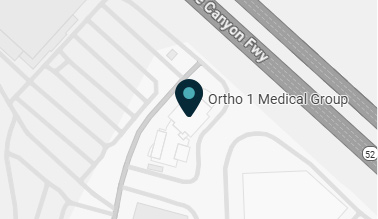
- San Diego
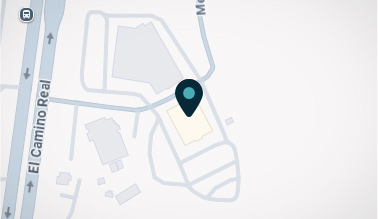
- Carlsbad
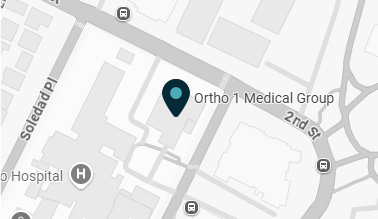
- Coronado
What is Orthopedic Hardware Removal?
Orthopedic hardware removal is a surgical procedure performed to take out previously implanted devices like plates, screws, rods, or pins used to stabilize broken bones and promote healing after fractures or surgeries. These implants are typically made of metal (like titanium or stainless steel) and may be removed for several reasons.
What are the Indications for Orthopedic Hardware Removal?
Orthopedic hardware removal is typically indicated for several reasons, including:
- Pain or irritation caused by the hardware
- Infection around the implant
- Allergic reactions or metal sensitivity
- Hardware failure or loosening
- Interference with movement or nearby tendons
- Completion of bone healing, making the hardware unnecessary
What Does the Procedure for Orthopedic Hardware Removal Involve?
The procedure begins with a preoperative evaluation, including imaging studies like X-rays or CT scans to locate the hardware and assess the surrounding tissue. The surgery is typically performed under local, regional, or general anesthesia, depending on the location and complexity of the hardware. During the procedure, the surgeon reopens the previous incision site or makes a new one if necessary. Scar tissue and soft tissue are carefully dissected to expose the implant. Using specialized tools, the hardware - such as screws, plates, rods, or wires - is loosened and removed. The area is then irrigated to reduce infection risk, and the incision is closed with sutures or staples.
What Does Postoperative Care for Orthopedic Hardware Removal Involve?
Following the procedure, patients are typically advised to keep the surgical site clean and dry, with dressing changes as instructed by the surgeon. Pain and swelling are managed with prescribed medications and ice application. Depending on the location and extent of hardware removal, activity may be limited initially, and weight-bearing might be restricted. Follow-up appointments are scheduled to monitor healing, and in some cases, physical therapy may be recommended to restore strength and mobility. Patients are also advised to watch for signs of infection, such as redness, fever, or discharge from the wound.
What are the Risks and Complications of Orthopedic Hardware Removal?
Risks and complications of orthopedic hardware removal may include:
- Infection at the surgical site
- Bleeding or hematoma formation
- Nerve or blood vessel injury during hardware removal
- Fracture of the bone during or after removal
- Pain or stiffness at the surgical site
- Delayed healing or weakness in the bone
- Anesthesia-related complications
If you would like more information about orthopedic hardware removal or are considering orthopedic hardware removal, please contact Ortho 1, dedicated to serving the communities of San Diego, Carlsbad, Coronado, CA.